Your Insurance Company Might Be Inspecting Your Roof From the Sky
How satellite imagery, drones, and AI are changing how insurers evaluate roofs in Texas
Most homeowners don’t think much about their insurance until renewal time. But recently, many have found out their insurance company has been "inspecting" their roof without ever actually visiting the property.
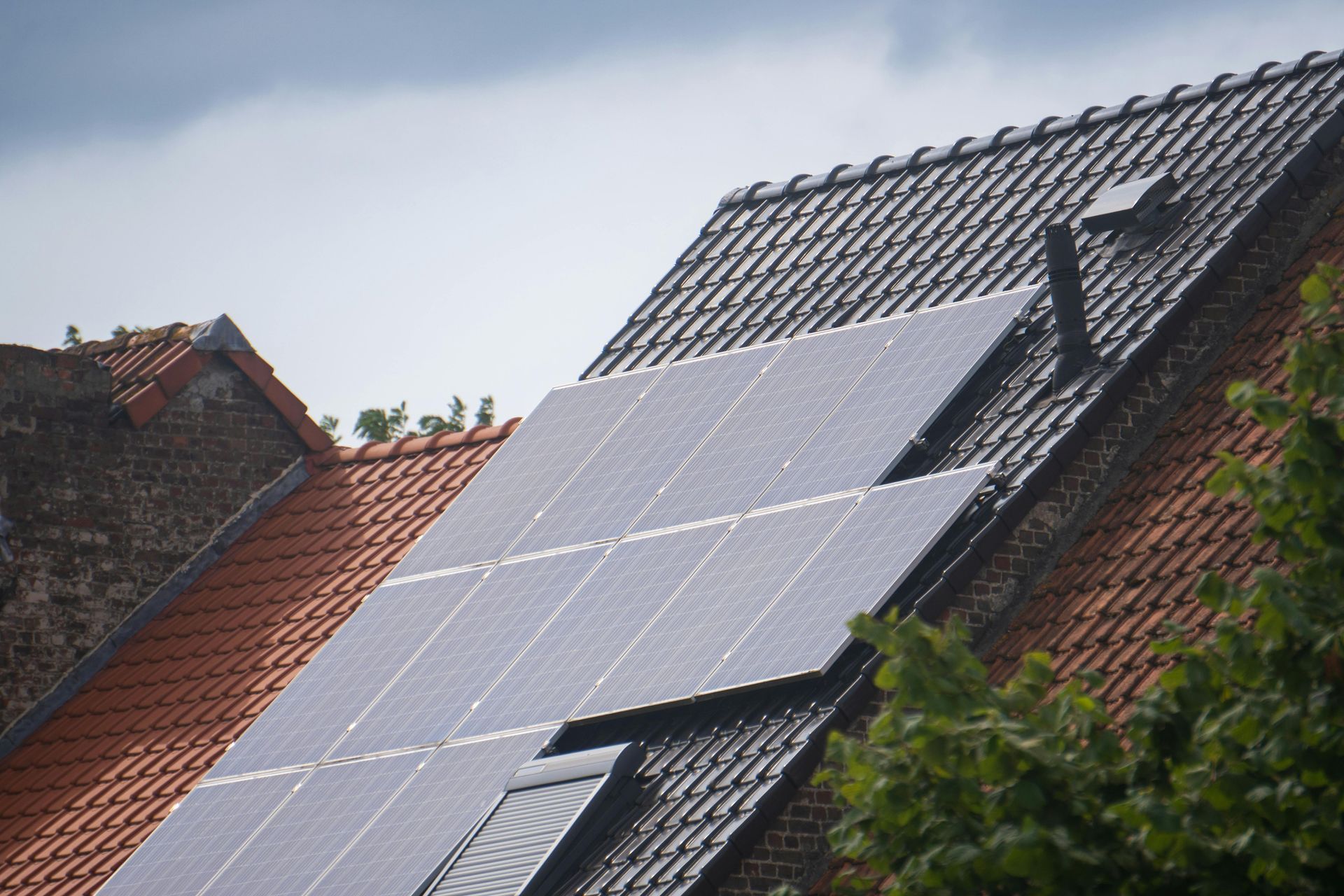
Insurers are increasingly using aerial imagery like satellite and drone photos to review roofs and property conditions. In some cases, homeowners have received letters saying they must trim trees, clean their roof, or replace their entire roof to keep their coverage.
That raises a few obvious questions. Is it legal? What exactly are insurers looking for? And what does it mean for homeowners here in Central Texas?
Insurers have always had the right to inspect
This surprises a lot of people, but it’s not new.
When you purchase a homeowners insurance policy, the company has the right to inspect the property it’s insuring. Traditionally, that meant sending someone to walk the property, photograph the exterior, or climb up to examine the roof. But what’s changed, with the help of modern tech, is how those inspections happen.
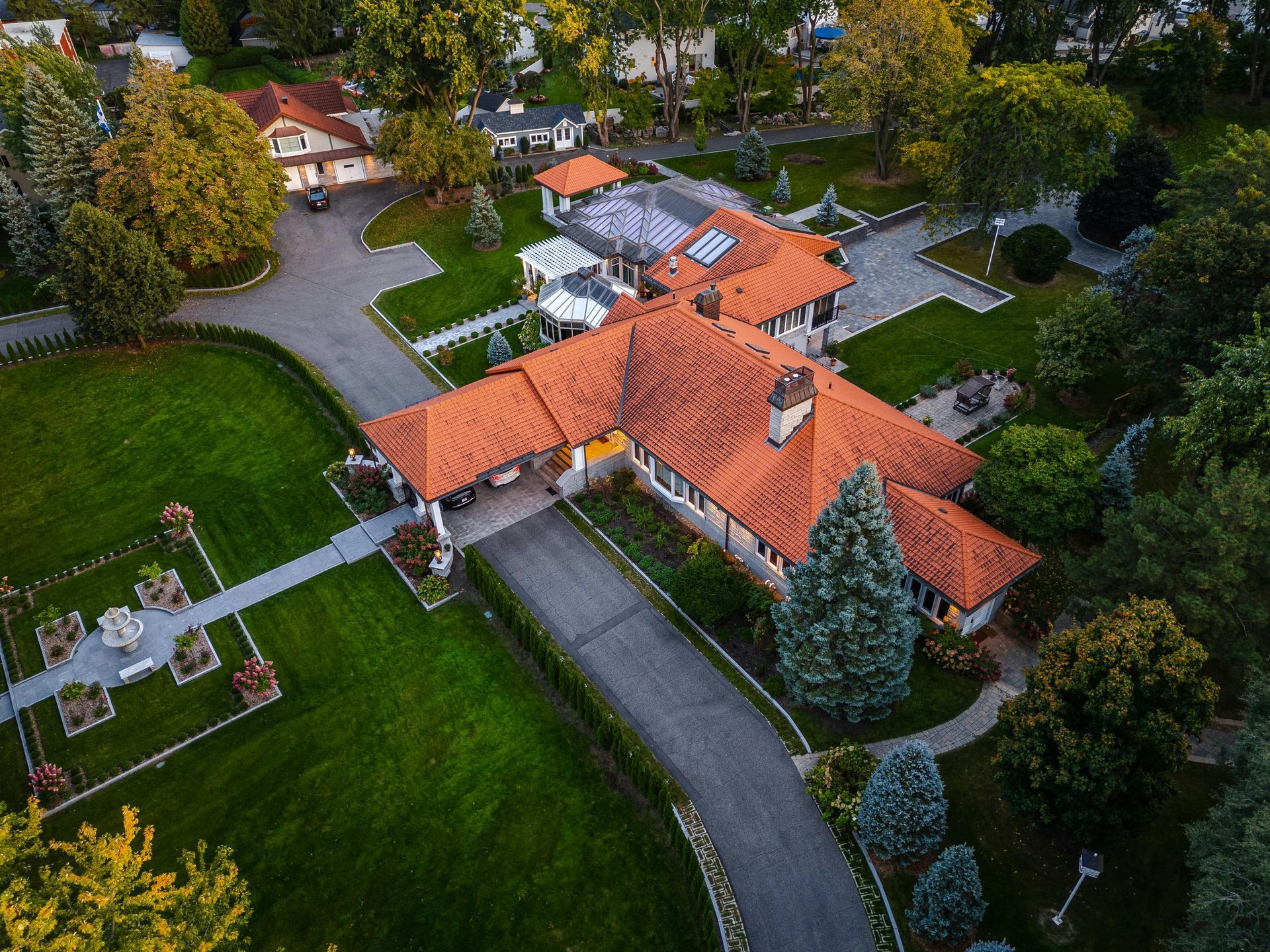
Today, insurers can
review homes remotely using aerial imagery and even third-party property data. Some companies also rely on AI-powered software to scan these images and flag potential concerns for human review.
From the insurer’s perspective, this process is faster and less expensive than sending inspectors door to door. From the homeowner’s perspective, it can feel surprising to receive a non-renewal notice referencing issues captured from space.
Is it legal in Texas?
Yes.
Texas law allows insurers to use aerial imagery during underwriting, and the
Texas Privacy Act permits insurers and their affiliates to use drones for insurance-related purposes such as policy evaluation, claims investigation, and renewal decisions.
Typically, insurers aren’t actually flying drones over your house themselves. Instead, they rely on imagery collected by satellites or third-party aerial imaging companies that maintain large databases of property photos.
But whether it's Google Earth or companies like CAPE Analytics that boast covering "99.6% of the U.S. population," the result is the same: insurers can evaluate the visible condition of a home’s exterior, including the roof, without ever visiting the property in person.
Why insurers focus on roofs
Roofs drive a large share of insurance claims. Especially in Texas, where hail damage occurs
68% more often than in the next closest state.
Damage to a roof can lead to leaks, water intrusion, structural damage, mold growth, and expensive interior repairs. Because of that, insurers pay very close attention to roof condition when evaluating risk.
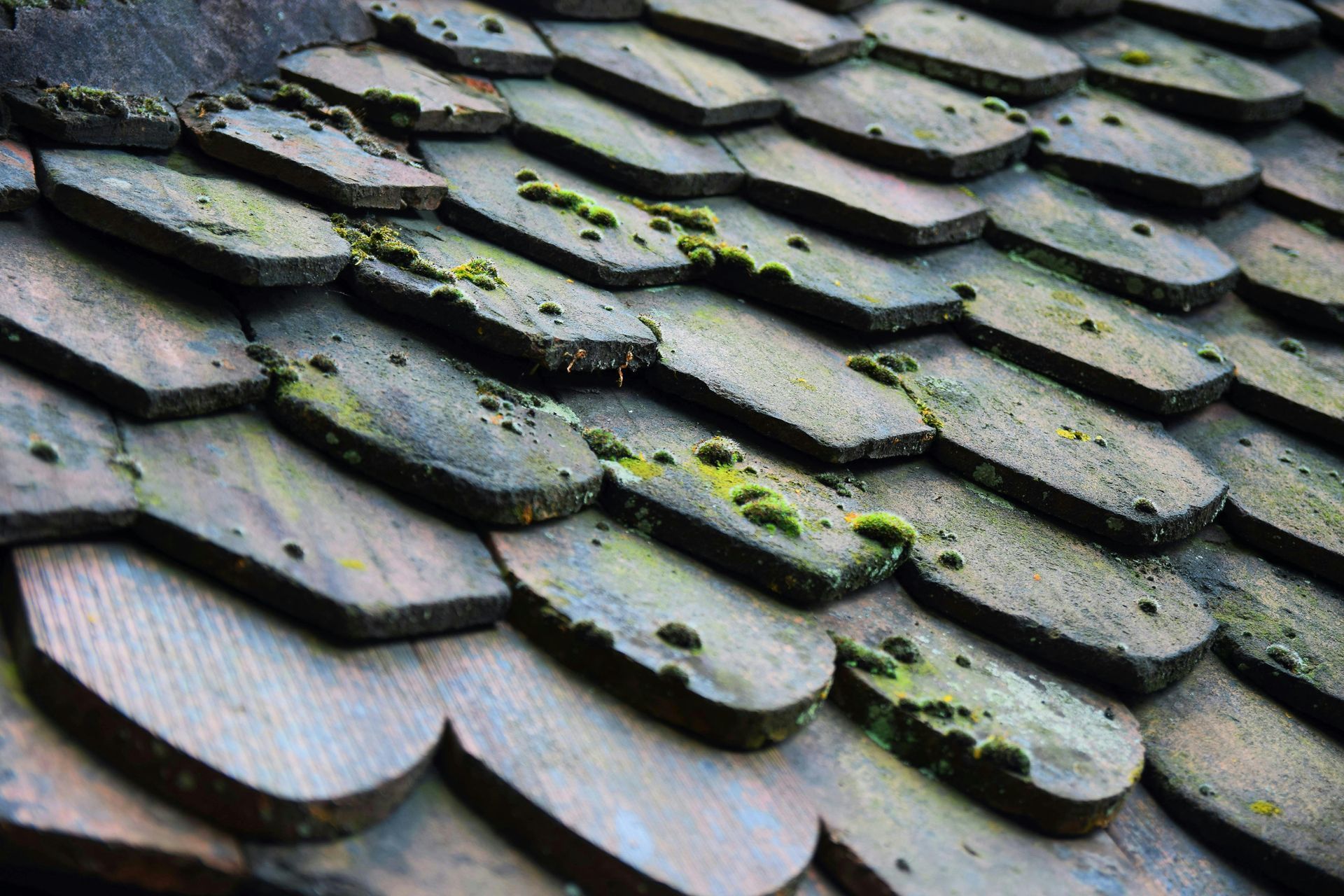
Aerial imagery systems often flag things like:
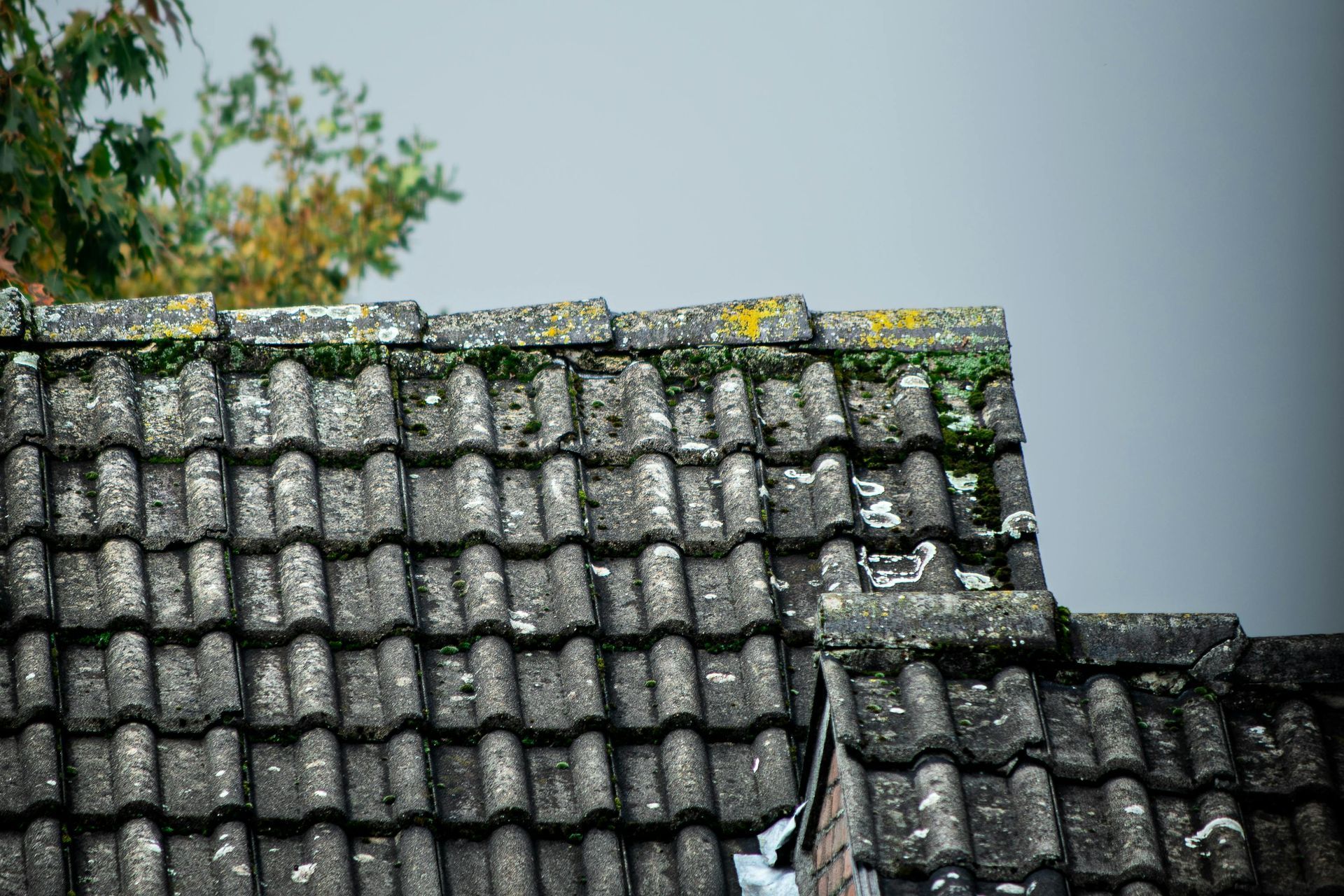
- Black streaks on roof shingles
- Possible algae or organic growth
- Tree limbs touching or hanging over the roof
- Debris buildup
- Missing or damaged shingles
- Visible signs of aging or deterioration
The challenge is that aerial imagery doesn’t always tell the whole story. From overhead, a roof with cosmetic staining can look very similar to a roof that is actually deteriorating. In some cases, the images being used may also be outdated or unclear.
That’s why homeowners sometimes dispute these findings and provide updated photos or inspection reports.
This is common in Central Texas
Across San Marcos and Central Texas, our climate creates ideal conditions for roof staining and organic buildup.
Heat, humidity, shade from trees, and airborne pollen all contribute to dark streaking and growth on shingles. Many homeowners describe this as mold, though it often includes
algae, mildew, and other organic buildup.
To be clear, this type of staining is extremely common in humid climates. However, from an aerial photo it can still appear to be neglect or roof deterioration to someone reviewing the property remotely. An underwriter looking at an overhead image isn’t standing in the yard inspecting the roof closely. They’re simply scanning for visual indicators that might suggest higher risk.
No reason to panic
Learning that insurers can inspect homes from above sometimes makes homeowners uneasy. While insurers have always evaluated properties, sky surveillance hits differently than an in-person visit.
Thankfully, the practical takeaway is straightforward: Visible exterior maintenance matters more now because it’s easier for insurers to spot potential issues.
That doesn’t mean every roof with dark streaks will cause a problem. It just means it’s wise to stay ahead of obvious maintenance concerns.
What homeowners can do
Treat roof maintenance the same way you would any other part of the home. A few simple steps can make a big difference, like removing debris and trimming branches away from the roof, and paying close attention to visible streaking or buildup.
Additionally, be sure to keep records of any roof repair or replacement work you have done.
If you receive a notice from your insurer referencing roof conditions, don’t ignore it. Take current photos, gather any documentation you have about the roof, and respond quickly. Providing updated information can often resolve the issue.
Where roof cleaning comes in
One thing we see regularly is that a roof that looks “bad” from a distance often isn’t structurally damaged—it’s just dirty.
Algae staining and organic buildup can make a roof appear much worse than it actually is, especially in aerial photos.
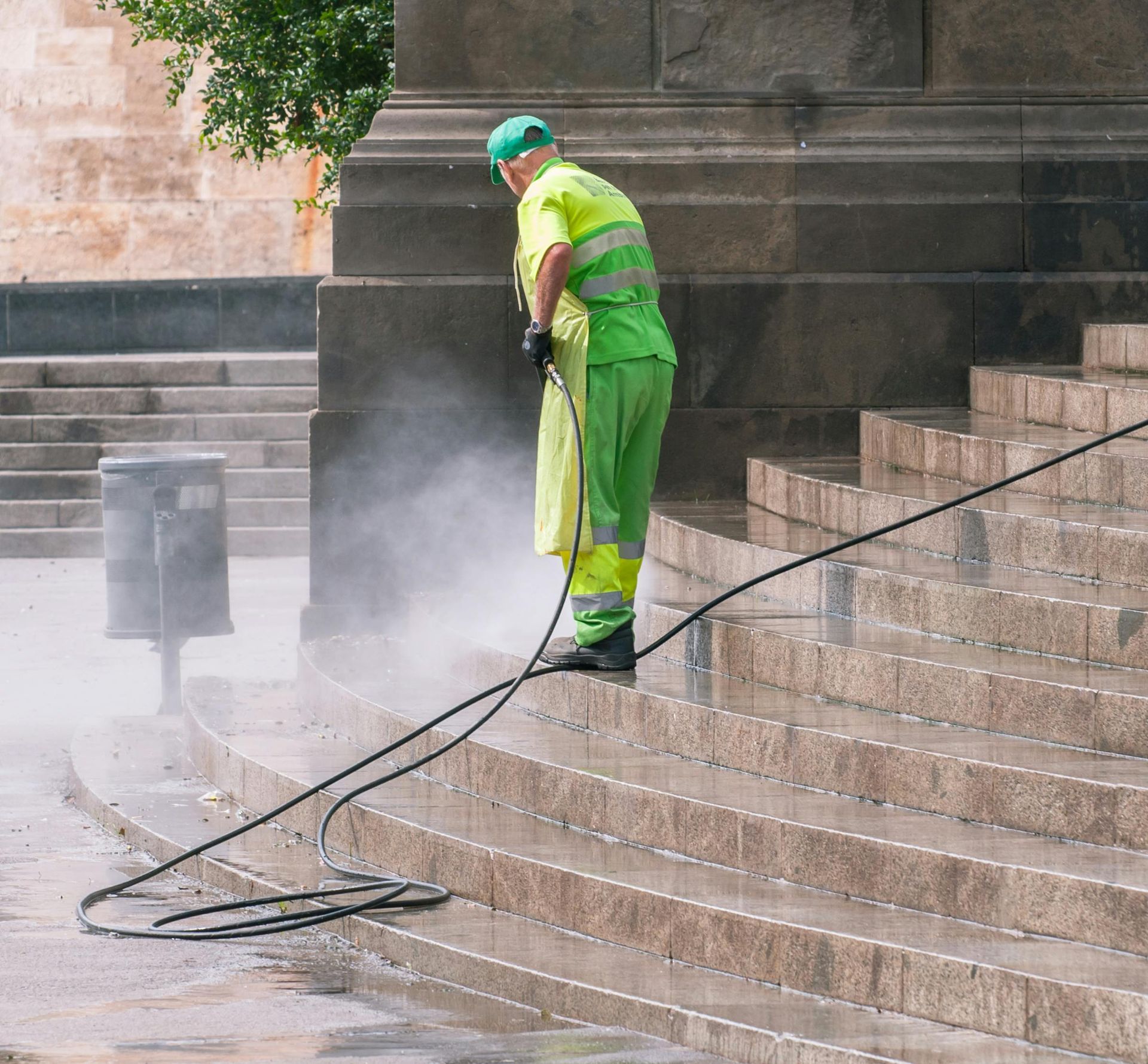
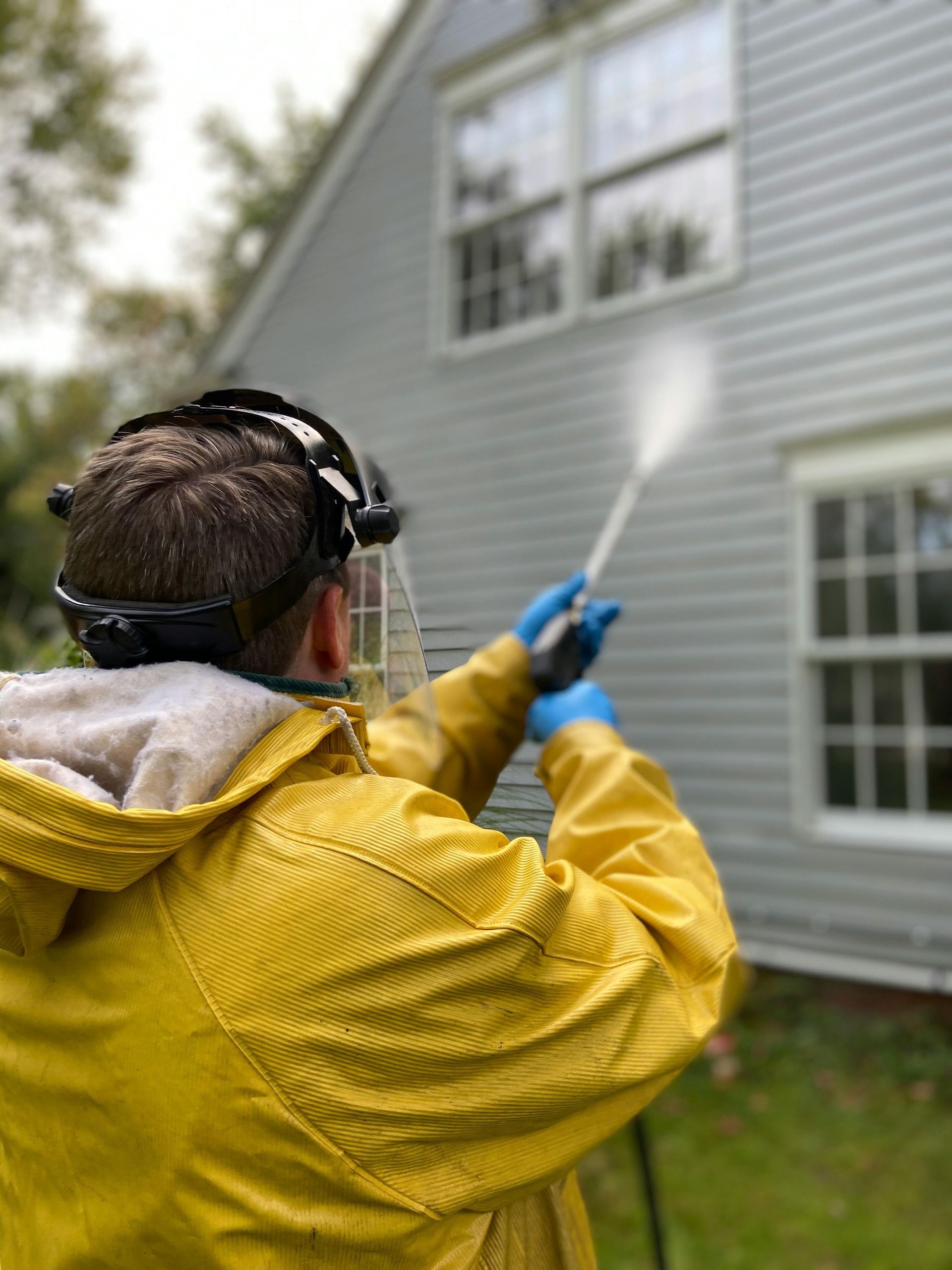
Cleaning those surfaces can dramatically improve the roof’s appearance and help homeowners stay ahead of maintenance concerns.
In a humid climate like Central Texas, routine exterior cleaning is simply part of maintaining a home.
If your roof is showing black streaks, algae, or visible buildup, addressing it now can help protect both the appearance and condition of the roof, as well as reduce the chances of questions or issues during an insurance inspection.