How Long Does Pressure Washing Last?

Pressure washing is one of the fastest ways to refresh your home or business exterior, instantly removing dirt, grime, algae, and stains. But one of the most common questions property owners ask is: How long will the results last?


The answer depends on several factors, including the surface being cleaned, environmental conditions, and how much exposure the area has to moisture, shade, and traffic. In Central Texas, where dust, humidity, and seasonal pollen are part of everyday life, understanding these factors can help you plan the right cleaning schedule.


Average Lifespan of Pressure Washing Results


For most properties in San Marcos,
pressure washing results can last anywhere from 6 months to 2 years. Hard surfaces like concrete driveways and patios tend to stay clean longer, while areas exposed to shade and moisture may see algae or mildew return sooner.


Here’s a general guideline by surface:


  • Driveways and sidewalks: 12–24 months
  • Patios and pool decks: 12–18 months
  • House siding (when pressure washed): 6–12 months
  • Commercial walkways and high-traffic areas: 3–6 months


These timelines vary based on environmental conditions and how frequently the area is used.


Factors That Affect How Long Pressure Washing Lasts


1. Weather and Climate


Central Texas weather plays a big role in how quickly surfaces accumulate buildup. Humidity encourages algae and mildew growth, while wind and construction dust can settle on exterior surfaces. Seasonal pollen can also leave residue on siding, windows, and walkways.


2. Sunlight vs Shade


Shaded areas tend to stay damp longer, creating ideal conditions for organic growth. Surfaces with full sun exposure usually dry faster and remain cleaner for longer periods.


3. Surface Type and Porosity


Porous materials like concrete and wood can absorb dirt and moisture more easily, which may lead to faster buildup over time. Sealed or smoother surfaces often maintain results longer after cleaning.


4. Nearby Trees and Landscaping


Tree coverage can contribute to falling debris, sap, and organic growth, while irrigation systems may cause hard water spots and moisture buildup. Properties with heavy landscaping often benefit from more frequent cleanings.


5. Foot and Vehicle Traffic


High-traffic areas naturally accumulate dirt, tire marks, and stains more quickly. Commercial properties, apartment communities, and busy households may require more frequent maintenance to keep surfaces looking fresh.


How to Extend the Results of Pressure Washing


While some buildup is inevitable, there are ways to help your pressure washing results last longer:


  • Schedule routine cleanings before heavy buildup develops
  • Adjust sprinklers to prevent overspray on surfaces
  • Trim landscaping to reduce debris and moisture
  • Consider sealing concrete or pavers after cleaning
  • Pair pressure washing with soft washing for organic growth control


Taking these steps helps protect surfaces and keeps your property looking well maintained between services.


Why Routine Pressure Washing Matters


Even when surfaces appear only lightly soiled, routine pressure washing prevents long-term staining and deterioration. Removing contaminants early helps protect materials, improve safety, and maintain curb appeal. Regular cleaning is also more cost-effective than waiting until heavy buildup requires intensive treatment.


For homeowners, annual pressure washing is often enough to maintain a clean, polished exterior. Commercial properties and multi-family communities may benefit from quarterly or biannual service to keep high-traffic areas presentable.


Keep Your Property Looking Fresh Year-Round


Pressure washing delivers immediate results, but its long-term impact comes from consistency. With the right maintenance schedule, you can preserve the clean look of your exterior surfaces and protect your investment over time.


At San Marcos Window & Pressure Washing, we help homeowners and businesses across Central Texas create customized cleaning plans that keep properties looking their best. Whether you need annual driveway cleaning or ongoing maintenance for high-traffic areas, contact us to deliver reliable, professional results.
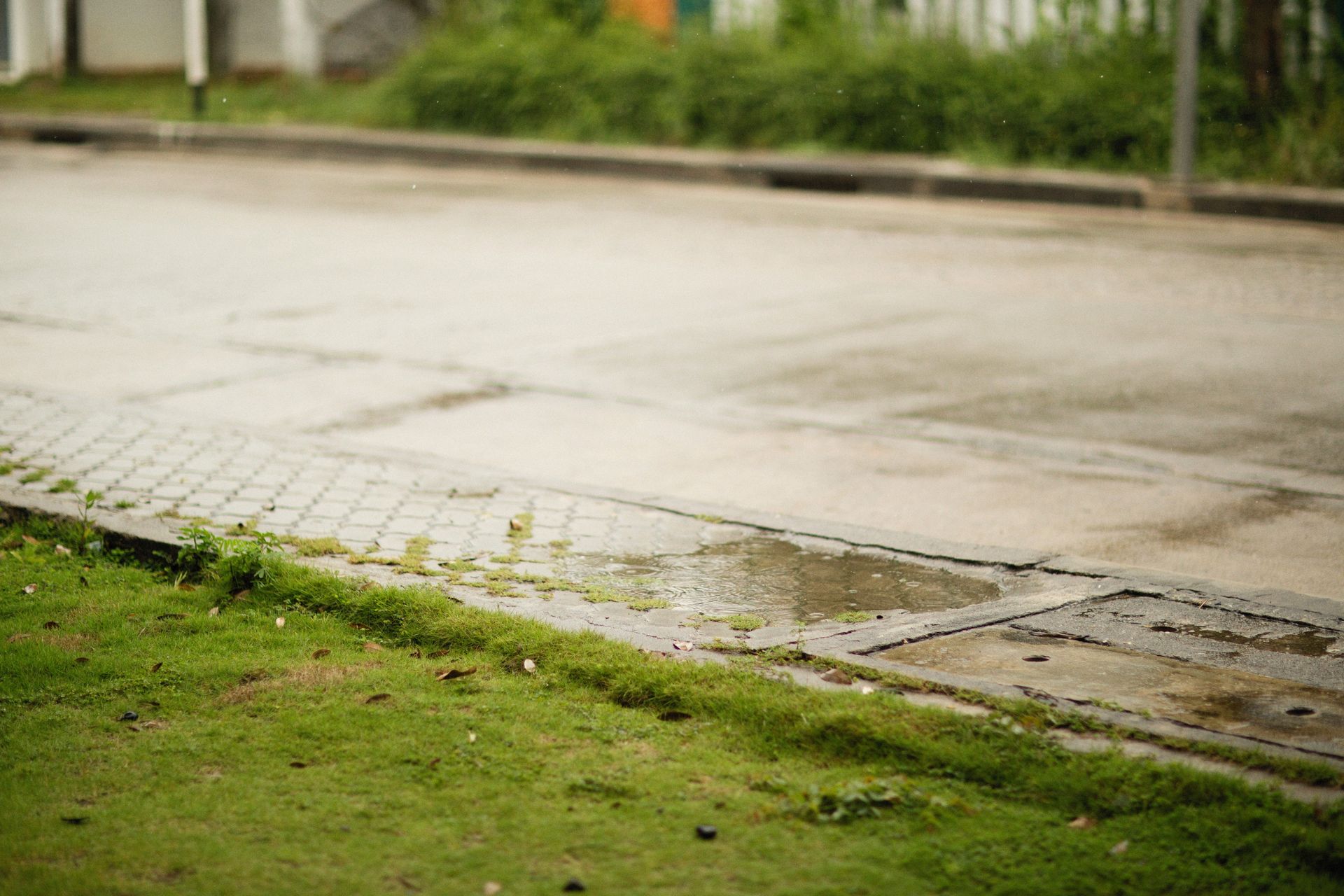
Wet roadside with a paved sidewalk and green grass after rain
October 1, 2026
When you look at your driveway in need of some cleaning, you probably only see dirt. Maybe some grime, a few stains, and that weird dark stuff that always seems to appear after it’s been raining. Nothing particularly exciting. It’s why we have the saying “as boring as dirt.” Except some of that “dirt” may not be dirt at all. Your driveway could be hosting a tiny, thriving ecosystem of un-boring and actually terrifying life. That Black and Green Filth Is Growing Hard surfaces are surprisingly good real estate for certain organisms. The Royal Horticultural Society notes that algae, lichens, liverworts, and moss commonly establish themselves on places like driveways, paths, patios, decking, and steps . So that greenish film or fuzzy-looking buildup you’ve been mentally filing under “gross driveway schmutz” may not be composing epic operas or trying to establish communication with you, but it very well might be alive. Algae, for example, can form a thin, powdery film over everything from concrete to paving, stone, tarmac, and decking. They particularly enjoy wet conditions, with growth accelerating in shady spots where air doesn’t circulate particularly well, which describes the bulk of Texas driveways. The RHS also notes that these buildups can become especially noticeable after wet winters. Sometimes, the “Dirt” Gets Slippery Here’s why this isn’t merely an aesthetic problem. The organisms growing on your driveway aren’t necessarily damaging the surface itself. Algae and lichens etc. don’t actually pose a threat to your driveway itself. However, they can make surfaces slippery, which is a great feature in skating rinks and the like. But it’s considerably less charming when the surface in question is somewhere people walk. Researchers at the University of Venda have also examined algae colonization on brick pavement and its relationship to slipperiness. Their study found that bacteria, cyanobacteria, and algae are capable of colonizing not just flat surfaces, but any kind of outdoor impermeable structure since those trap water and nutrients that encourage growth of microorganisms. The study also found that the slippery effect of algae is due to their production of a gluey, gelatinous substance known as mucilage that becomes like a slippery gel in water. So, the innocent-looking dark patch beside your garage may not just be an ugly stain. Under the right conditions, it can be part of a living layer that makes the ground beneath your feet a potentially costly health hazard. Thankfully, You Don’t Need a Biology Degree to Deal with the Problem You don’t need to identify every specific microscopic driveway squatter before dealing with the problem. Physically removing established growths with stiff brushing etc. will sufficiently deal with the issue but pressure washing has the added benefit of being quicker and easier on your back. But it should be left to professionals. Pressure washers are very fun to handle. So much so that there are many pressure-washing video games out there. But if not handled correctly, a pressure wash will not address the problem of moisture, shade, and poor drainage, and in no time, the algae and other microorganisms will return. You don’t need to panic but if your concrete is developing green, black, slimy, or mossy buildup, it may be time to stop treating it like ordinary dirt, and start dealing with it like an infestation that’s best handled by pros. A professional exterior cleaning can remove the visible “living dirt” buildup and restore a surface to its original condition. Because your driveway is supposed to be where you park the car, not where algae, moss, and other microscopic pests decide to establish a vacation home.
Hand reaching through white blinds with a small gap of daylight behind them
August 31, 2026
Windows are famously known for getting dirty. Meanwhile, your blinds could be collecting and spreading allergens around your home.
Two window panes with pink flowers and dark frames, seen against a black background
July 31, 2026
Why do Texas windows get dirty so quickly? Pollen, dust, hard water, traffic and coastal salt all contribute to the buildup.
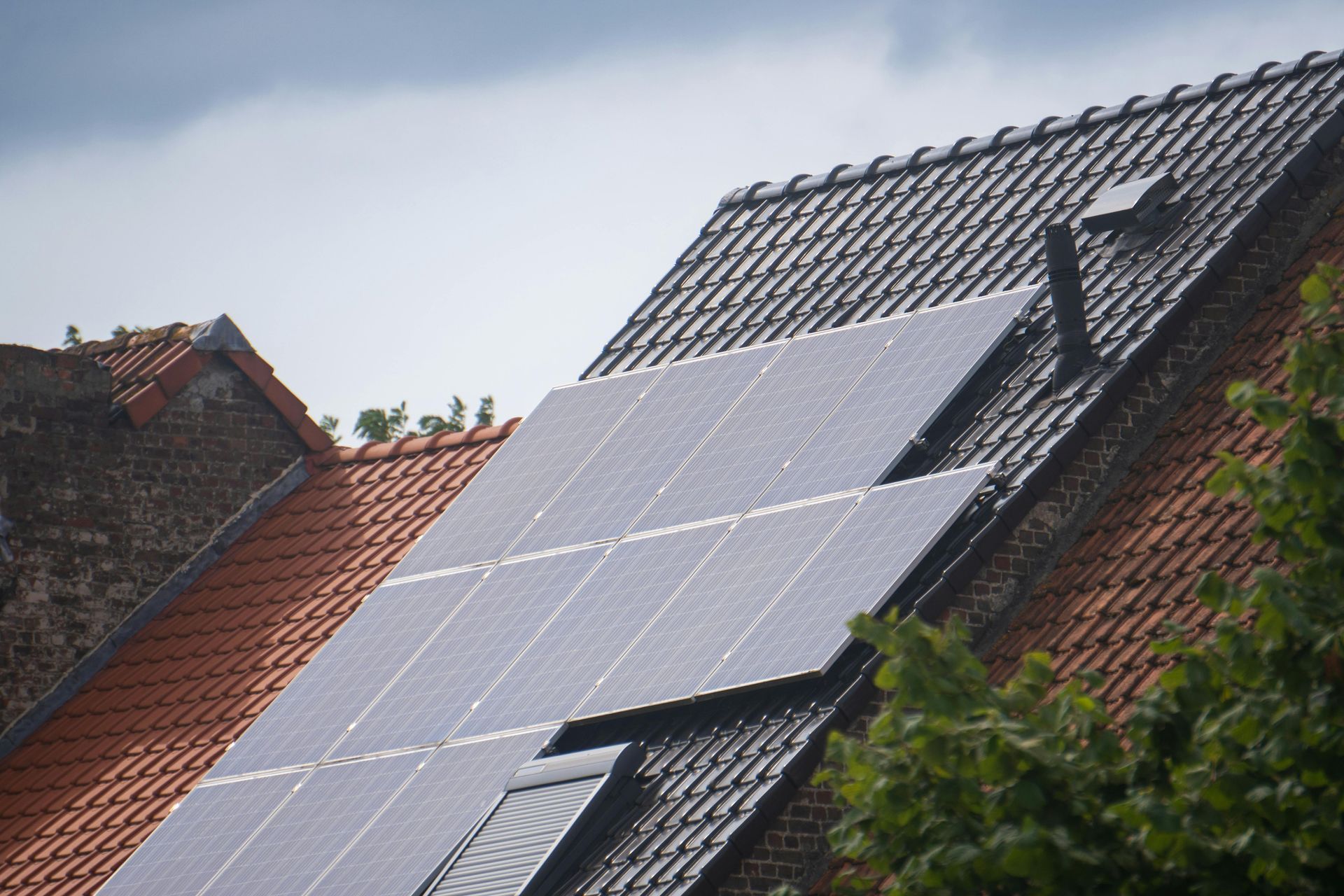
Solar panels mounted on a sloped red-tiled rooftop beside neighboring houses and trees.
June 30, 2026
Rain may not be enough to clean pollen, dust, and grime from solar panels. Learn why safe, low-pressure cleaning matters for Texas homes.
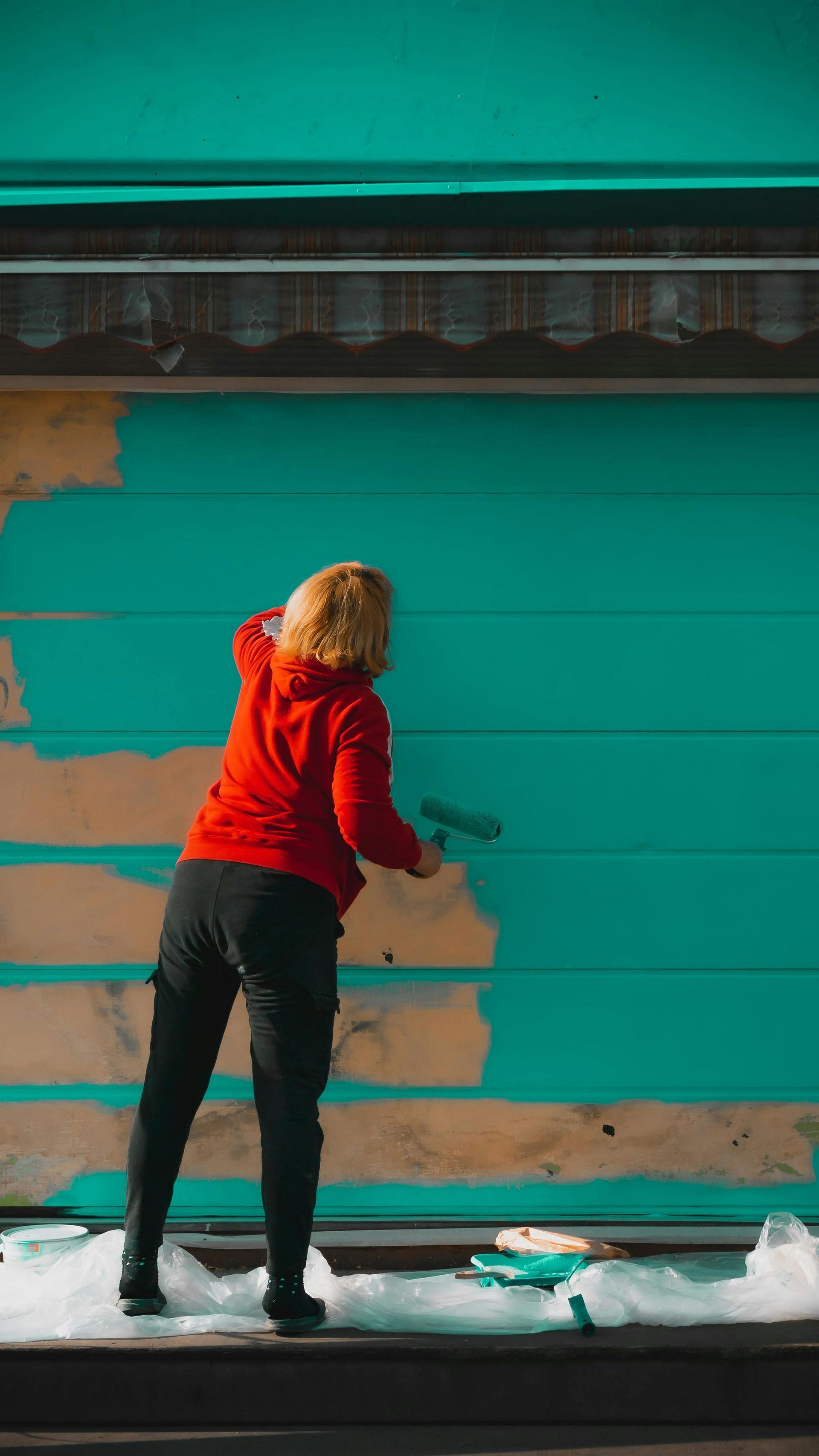
Person in a red coat painting a teal wall with tan patches outdoors
May 26, 2026
Texas weather can wear down exterior paint faster than homeowners expect. Learn why maintenance, moisture, mildew, and UV exposure matter for paint longevity.
White drone with camera flying in clear blue sky above several buildings.
March 25, 2026
Insurance companies are increasingly inspecting roofs using aerial imagery. Learn what they’re looking for and what it means for homeowners in Central Texas.
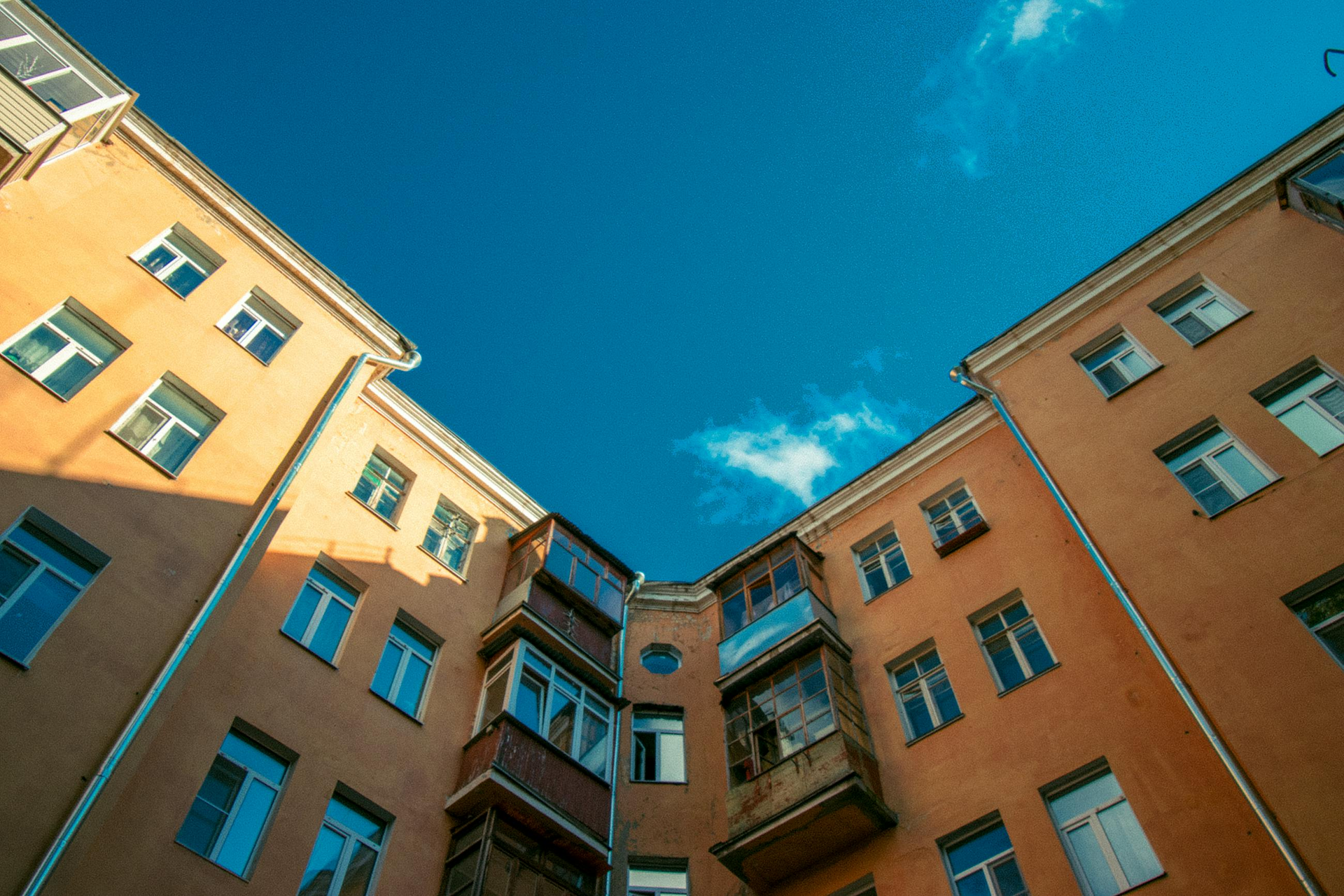
Buildings with many windows against a bright blue sky.
March 11, 2026
Discover how pressure washing helps maintain apartment communities. Improve curb appeal, safety, and property value with routine exterior cleaning services.
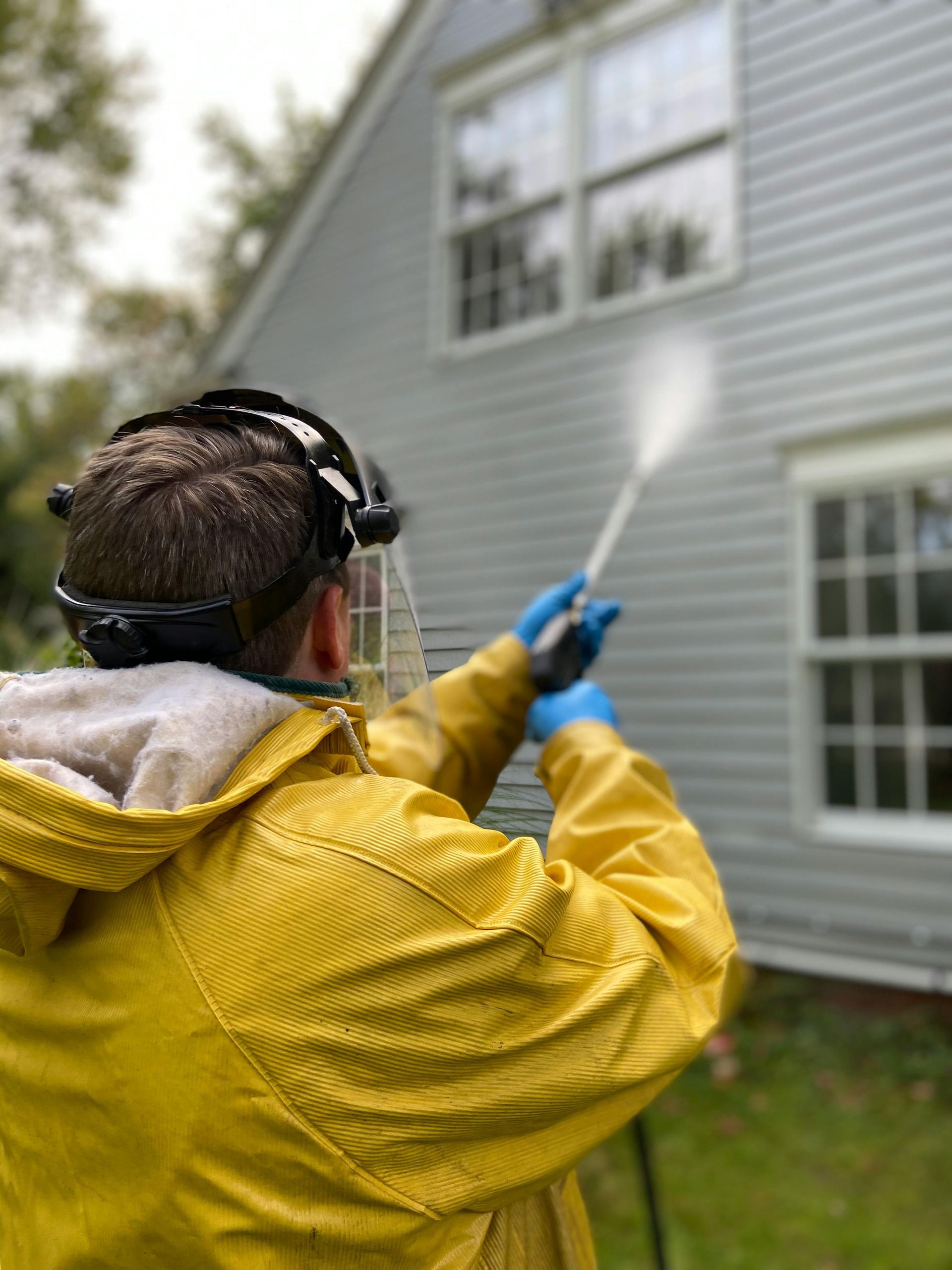
Person wearing protective gear pressure washes a gray house.
March 4, 2026
Learn the difference between soft washing and pressure washing. Discover which method is best for your home and how each protects your exterior surfaces.
Woman sprays window cleaner on glass, cleaning the window. Inside, bright daylight.
February 25, 2026
Discover the best time of year to clean your windows. Learn seasonal tips to keep your glass clear, boost curb appeal, and protect your home year-round.
Person pressure washing a two-story house with a balcony, standing in a grassy yard.
January 31, 2026
Expert Exterior Cleaning Services for San Marcos and Central Texas