The Rain Won't Clean The Pollen Off Your Solar Panels
There’s an assumption that sometimes comes with investing in solar panels, and it's that once they're on the roof, the sun does the rest. It feels kind of like a set-it-and-forget-it upgrade. But that hands-off approach introduces a subtle, compounding financial leak that rain won’t fix, and that the wrong cleaning method can make permanently worse.
Much like exterior paint, solar panels are engineered to operate under optimal conditions. And Texas conditions are rarely optimal.
The Reality of "Environmental Soiling"
If you look at the energy monitoring apps most homeowners check, a drop in production is usually blamed on cloudy days or aging equipment. But often, the culprit is much more mundane. In the industry, it’s known as "soiling," or the gradual accumulation of dust, pollen, and airborne debris across the glass surface.
In many parts of the country, a passing shower is enough to keep panels reasonably clear. But Central and North Texas climates present a specific set of challenges. We experience:
- Intense, multi-month droughts that bake dirt onto surfaces.
- Heavy seasonal pollen spikes (like the sticky cedar and oak pollen) that coat neighborhoods in a yellow haze.
- Wind-blown dust from regional storms and rapid suburban construction.
When rain does fall, it often isn't heavy enough to clear the glass. Instead, light rain mixes with the existing dust and sticky pollen, drying into a film that acts like a window shade over the solar cells. The degradation isn't sudden; it's a slow burn. Studies show that this layer of grime can reduce a system’s efficiency by 15%, turning a calculated monthly savings into a deficit.
The 3,000 PSI Misconception
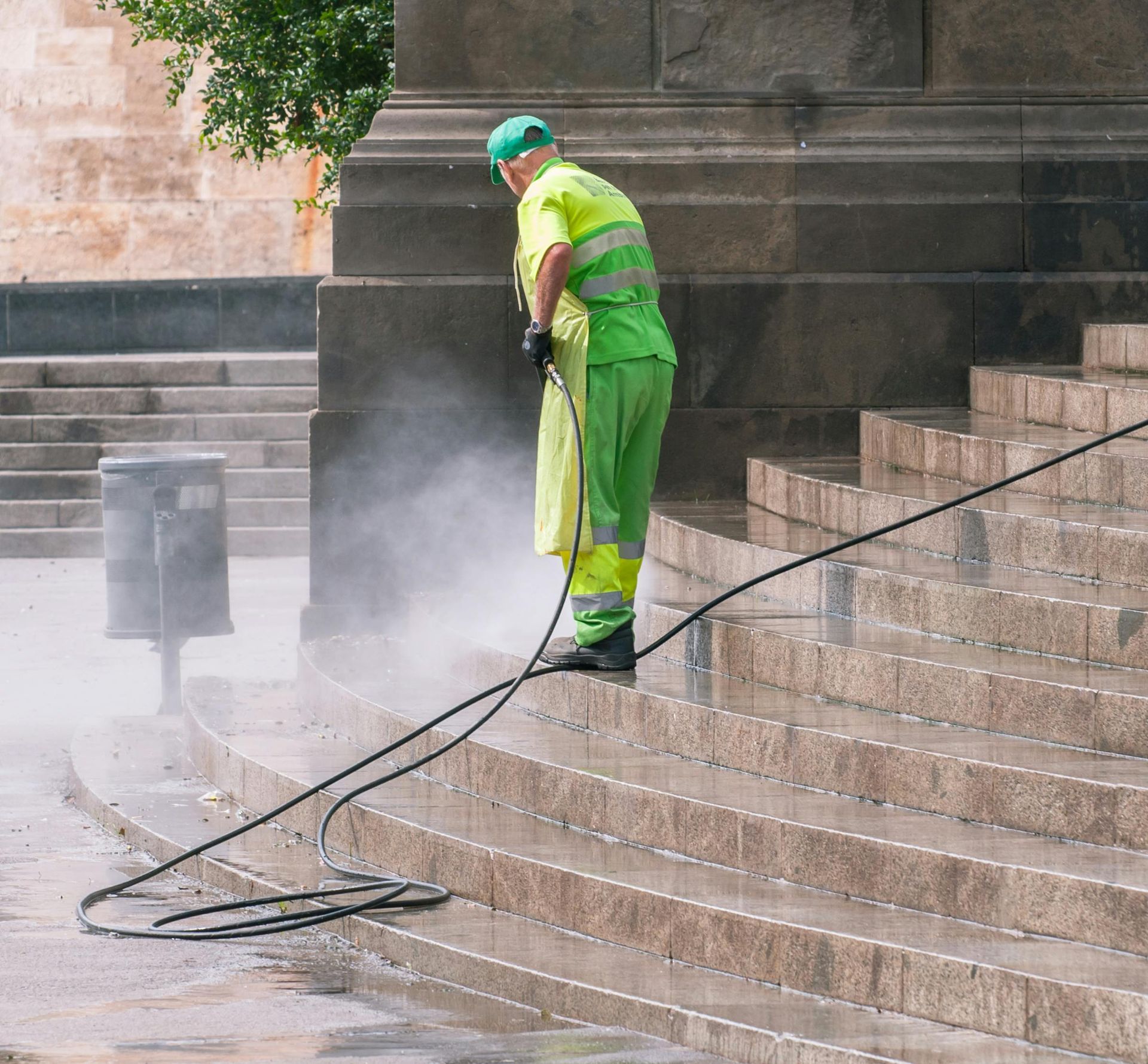
When homeowners realize their panels are dirty, the natural impulse is to treat them like a driveway or a concrete patio: hit them with high pressure to blast the grime away.
But there is a sharp disconnect between how a property's hardscapes are cleaned versus how specialized glass is maintained.
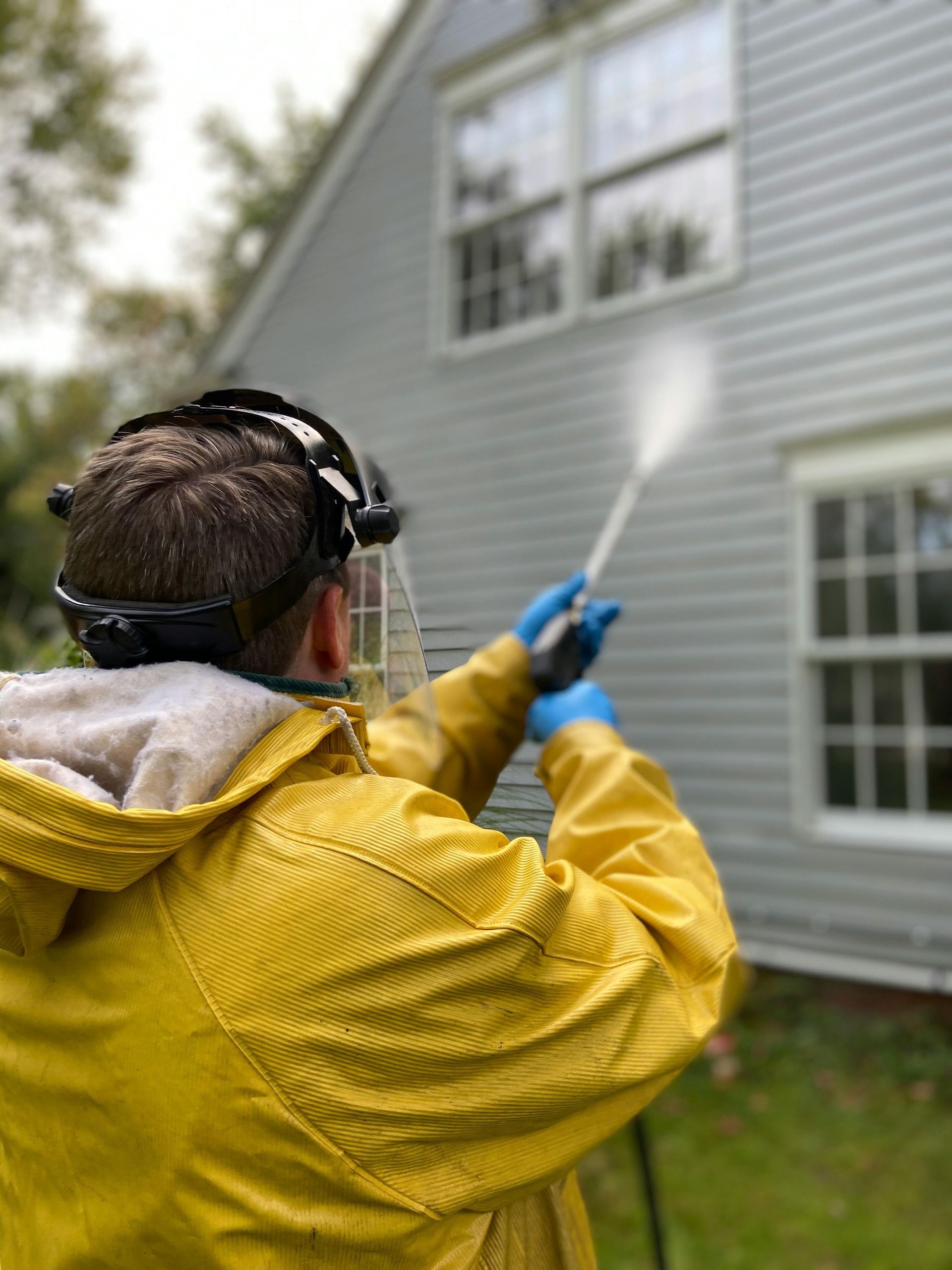
Standard pressure washing is catastrophic for solar arrays. The force can easily shatter the tempered glass, micro-fracture the delicate silicon cells beneath, or compromise the watertight seals that protect the electrical components. In short, don't pressure wash the glass.
Furthermore, using standard Texas tap or well water through a high-pressure system introduces a second issue. Our local water is heavily mineralized. Blasting panels with hard water leaves behind microscopic calcium and magnesium deposits when it evaporates. Over time, that scaling creates a permanent cloudiness that permanently limits how much light can reach the cells.
Basically, cleaning them incorrectly can cause more structural damage than leaving them dirty.
Restoring the Baseline Safely
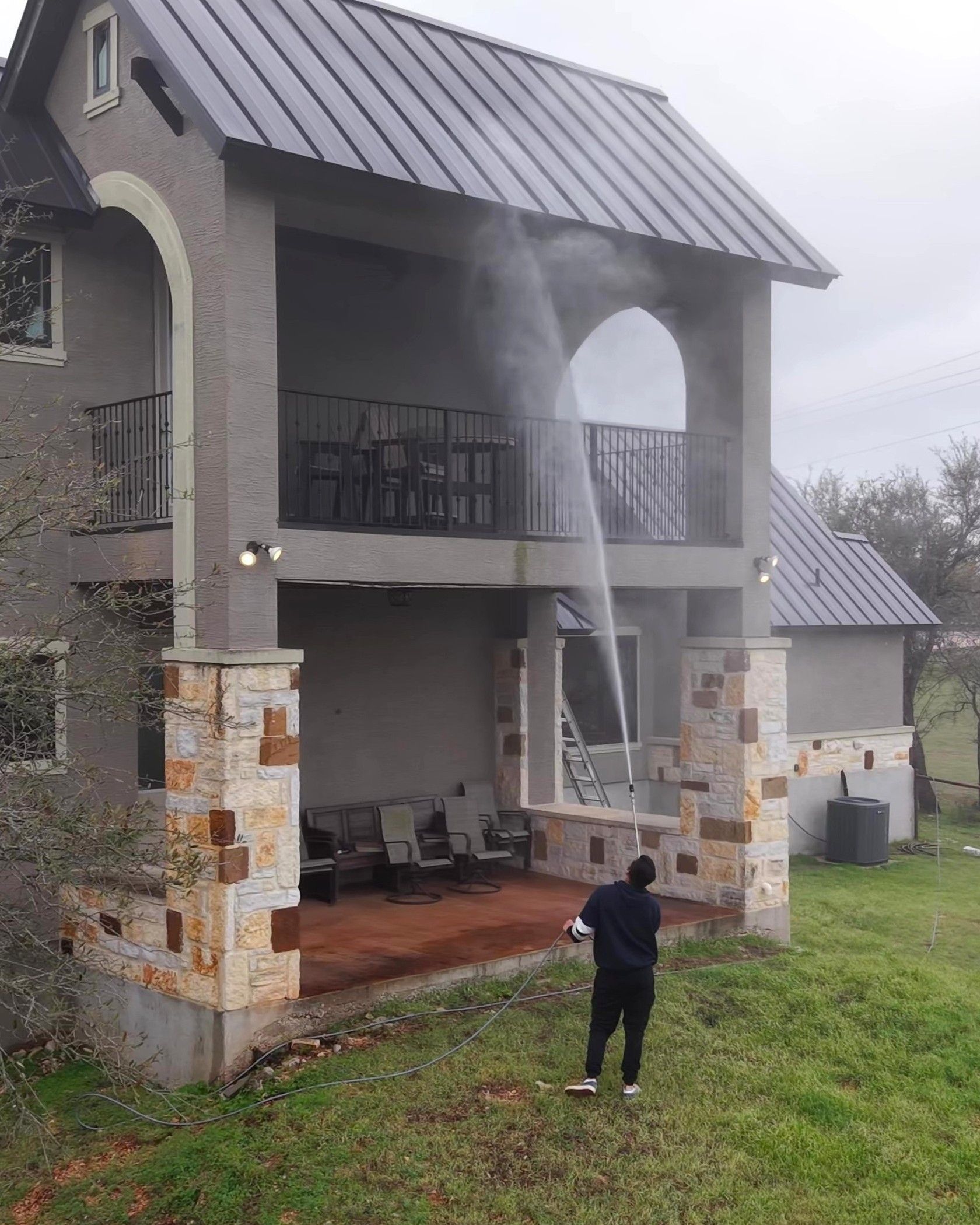
You want to rely on surface chemistry as opposed to raw physical force to clean your solar panels. The industry relies on a process called soft washing, which removes pressure from the equation entirely, utilizing water volume at a pressure no stronger than a gentle garden hose.
Instead of forcibly ripping dirt away, the process uses specialized, biodegradable surfactants to break the chemical bond between the sticky pollen, bird droppings, and the glass. More importantly, professionals utilize pure water technology—filtration systems that strip out all mineral content via reverse osmosis or deionization. When this purified water rinses the surface, it evaporates completely spot-free, leaving no residue behind to trap future dust.
Operating an Ongoing System
Solar technology feels like it holds a promise that requires almost no maintenance. But anything sitting on a Texas roof is actively interacting with an aggressive environment. Just as shaded siding accumulates algae that stresses the exterior paint, solar glass accumulates a physical barrier that restricts its performance.
Maintaining that surface restores the precise conditions the system needs to deliver the financial return you actually paid for.