Your Exterior Paint Has a Warranty, And You Might Be Voiding It
There’s a detail buried in most exterior paint warranties that you may not be aware of: specific maintenance requirements. Much like a car, the manufacturer assumes that you will take care of your investment. Which makes sense, but if you live in Texas, that maintenance carries its own unique set of challenges.
Paint is expected to live in normal conditions (And Texas isn’t Normal)
If you read the fine print on most exterior paint warranties, coverage assumes “normal” conditions, which sounds abstract until you notice that exclusions include things like "excessive heat exposure" and "discoloration due to mold or mildew."
In much of the country, exterior paint can last 7–10 years or more without major issues. But in Texas, that timeline compresses. Many homes here need repainting closer to every 5–7 years, sometimes sooner depending on exposure and materials.
And the reasons are not subtle. Central Texas routinely sees:
- Extended UV exposure (200+ sunny days annually in many areas)
- Temperature swings that force materials to expand and contract
- Humidity levels that regularly climb into the 60–80% range
That combination does two things at once. Sunlight breaks down the chemical bonds in paint, which then allows moisture to work its way into the surface. Meaning over time, the coating is stressed from both directions.
Or in other words, “normal” may not accurately describe ongoing Texas heat waves.
nobody Actually Tells You That paint assumes maintenance
So here's the truth, and unfortunately, it's not always mentioned during a paint job:
Exterior paint is not designed to sit untouched for a decade.
Manufacturers generally assume that surfaces will be kept reasonably clean. Not pristine or spotless, but also not left to accumulate years of organic buildup, either. That includes things like mildew, algae, pollen, and airborne debris, all of which are extremely common in Central Texas. And it's not all about appearance. These materials change how the surface behaves.
Mildew and algae, for example, can trap moisture against siding. Over time, that moisture interferes with the paint film, contributing to early breakdown. Nothing fails overnight; the effect is gradual. But conditions slowly and inevitably move outside what manufacturers consider “normal.” And once that happens, the warranty becomes harder to rely on.
Why It Can Some as a Surprise
There’s a disconnect built into how exterior paint is sold versus how it actually performs. “Lifetime warranty” reads like a promise of durability. Something you can check off and forget about. But the system behind it is closer to something like roofing or HVAC, where long-term performance depends on ongoing, low-level maintenance, and not everyone frames it that way.
Homeowners don’t get a maintenance schedule for their paint. They’re not told that shaded walls will accumulate buildup faster, or that north-facing sides of the home tend to hold moisture longer. They’re certainly not told that something as simple as algae staining can quietly affect how a coating performs over time. So when paint starts to fail early, like five or six years in, it feels like a product issue.
And to be fair, it can be. But oftentimes, it absolutely isn’t.
Texas makes the problem more visible
If you want to see this in real life, walk around almost any neighborhood here and look at the sides of homes that don’t get direct sun. You’ll notice a pattern.
The south- and west-facing walls tend to fade. The shaded sides, especially under tree cover, tend to develop discoloration, streaking, or greenish buildup. These are the areas where moisture lingers longest, and where organic growth takes hold. And those same areas are also where paint often starts to break down first, because it’s environmental, not random.
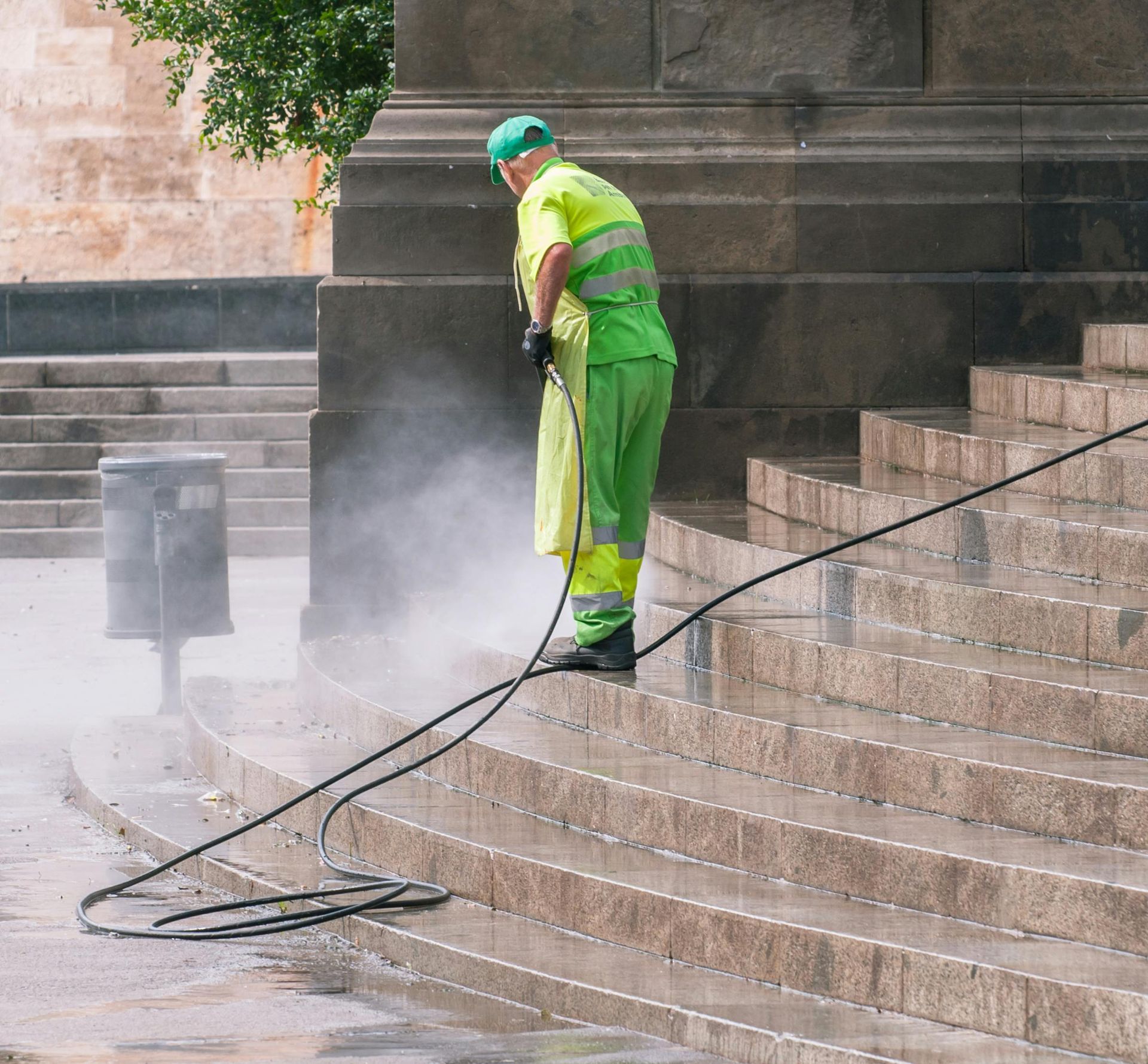
In high-humidity environments like Houston, for example, exterior surfaces can accumulate mold and algae quickly enough that cleaning becomes part of standard prep before even applying new paint. The underlying issue doesn’t stop after the paint goes on.
It Does Not Require Extensive Maintenance
Most homeowners aren’t “voiding” anything in a dramatic sense. They’re just operating under a reasonable assumption: that paint is a one-time upgrade, not an ongoing system. But exterior paint sits at the intersection of sun, moisture, and air, constantly interacting with the environment. Over time, that interaction matters.
So you don't need to constantly maintain your paint, but you do need to be sure not to let buildup sit indefinitely, because that has consequences that aren’t immediately obvious.
If you strip away the warranty language and the industry framing, the guidance is fairly simple: Paint lasts longer when the surface it’s protecting stays in good condition. And in a climate like Central Texas, that usually means paying occasional attention to areas where moisture lingers and surfaces stay shaded for long periods. Cleaning those areas isn’t just cosmetic. It restores the conditions that paint is designed to perform under.
In a place where the environment is already working against you, that small amount of upkeep can be the difference between a paint job that lasts five years and one that actually gets close to what was promised.